COOKING
Fan on, every time
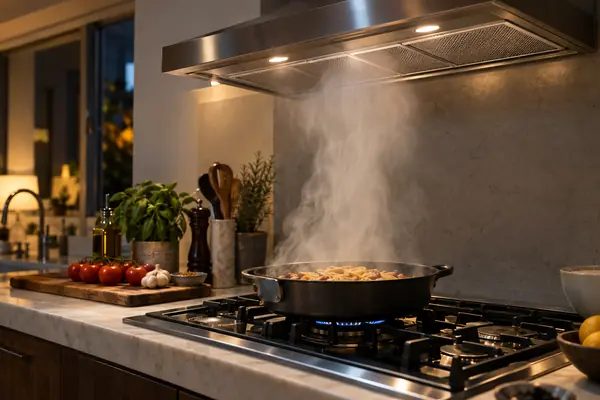
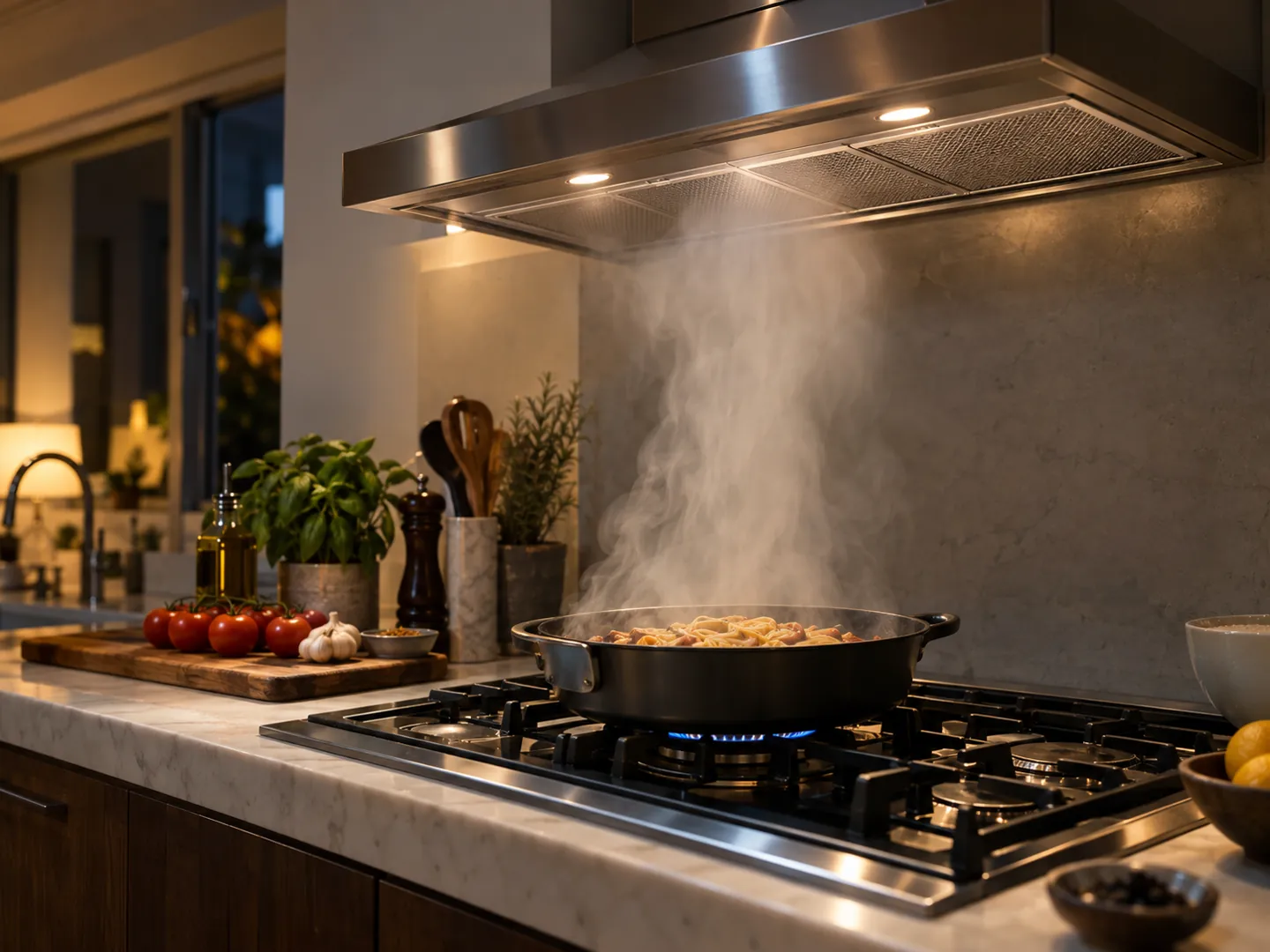
NICE says cookers, especially gas cookers, can make indoor air worse. Use the extractor or open a window while you cook.
Check the kitchen doodleair
00WHAT THE GUIDANCE SAYS

Most of our air is breathed indoors.
Cooking, showers, drying clothes and cleaning sprays all add to it. UK and US health guidance comes back to one habit: let the stale air out at the moments that make it.
Check a room01Principles
02THE SHORT ANSWER
Indoor air changes with what we do.
Guidance focuses on a few everyday moments.
COOKING
NICE says cookers, especially gas cookers, can make indoor air worse. Use the extractor or open a window while you cook.
Check the kitchenDAMP
Showers, boiling pans and drying clothes add moisture. Guidance pairs extractor fans with background ventilation such as trickle vents.
How to do itSPRAYS
Sprays, aerosols and paints release chemicals into the room. Follow the label and open up while you use them.
See the numbers03A QUICK ROOM CHECK
Pick an everyday activity to see how much extra fresh air the guidance suggests. The bar shows how strongly the guidance points to ventilating.
Based on NICE guideline NG149 on indoor air quality at home. This is general information, not personal medical advice.
04TWO NUMBERS WORTH KNOWING
One figure on where we spend our time,
one on how indoor air compares with outdoors.
≈ 90%
Share of time spent indoors
The US Environmental Protection Agency says Americans spend about 90 percent of their time indoors. England's Chief Medical Officer put the figure at around 80 percent in his 2022 report.
TIME INDOORS · US EPA
2–5× higher
Some pollutants, inside vs outside
The EPA says the concentrations of some pollutants are often 2 to 5 times higher indoors than typical outdoor levels.
INDOOR LEVELS · US EPA
England's Chief Medical Officer noted in December 2022 that indoor air pollution has been studied less than outdoor air, and called for effective ventilation that also keeps energy use and heat loss down.
05FOUR HABITS TO TRY
None of these needs new equipment. They are about using the vents and fans most homes already have at the moments that matter.
Start the cooker extractor when you start cooking and leave it running a little after.
Background ventilation keeps a slow, steady change of air without opening a window wide.
Clear shower steam with the extractor fan so moisture does not settle and feed mould.
Where products trigger symptoms, NICE suggests non-spray alternatives, and more air while you clean.
06DAMP AND MOULD
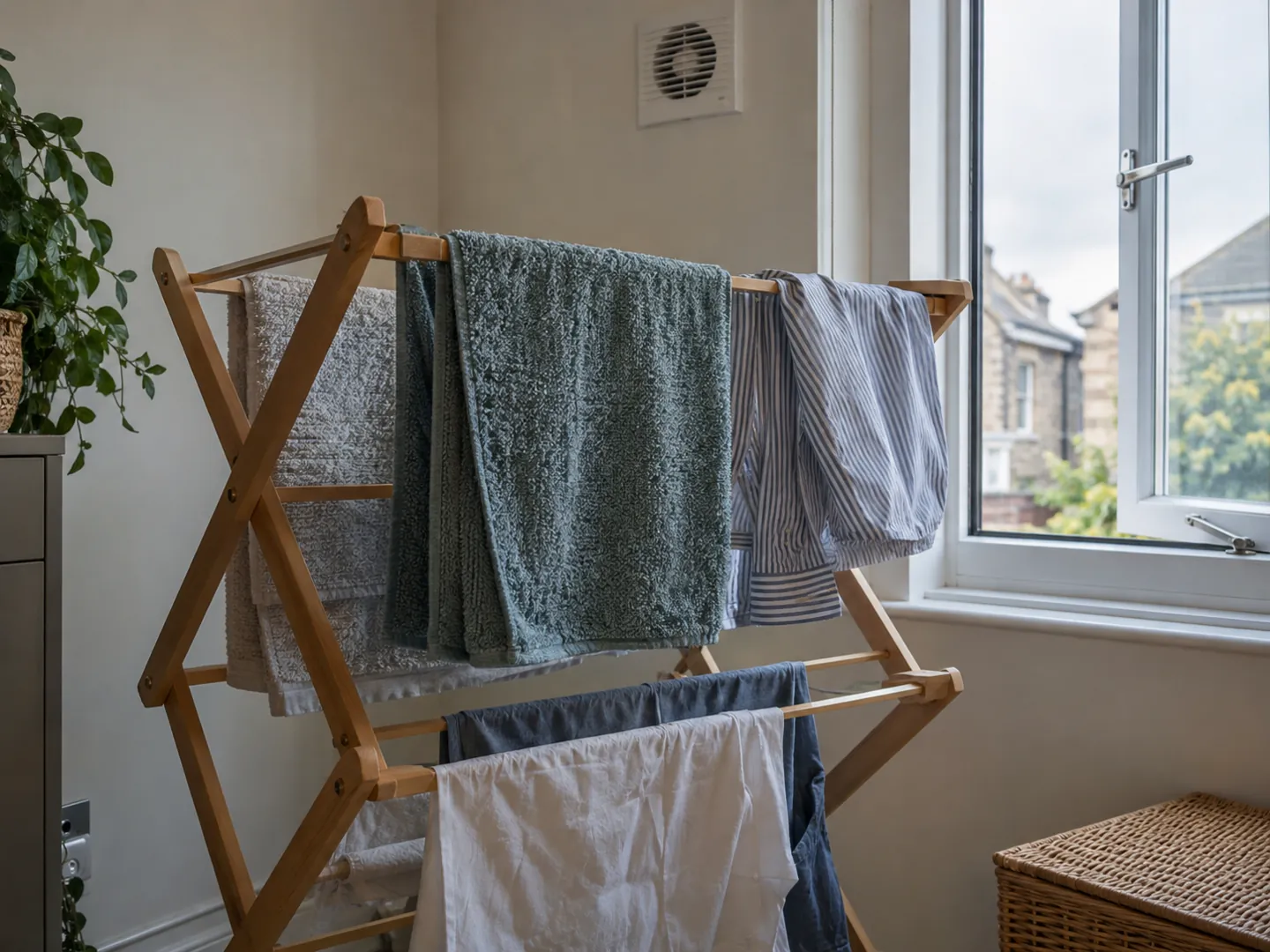
Everyday life puts water into the air: cooking, washing, showers and drying laundry. Without a way out, it condenses on cold walls and windows, and damp and mould follow.
NICE recommends using background ventilation and extractor fans, opening windows when it is safe, avoiding moisture-producing activities indoors where possible, and repairing water damage promptly.
07Questions
Sometimes, for some pollutants. The US EPA says concentrations of some pollutants are often 2 to 5 times higher indoors than typical outdoor levels, and people spend most of their time inside.
Guidance says to increase ventilation when cooking, using an extractor fan or opening a window if it is safe. NICE highlights gas cookers in particular and says not to use a gas cooker to heat a room.
They are small vents, often in window frames, that let a little air in all the time. NICE advises learning how to use them and, for tenants, telling the landlord if they are blocked or damaged.
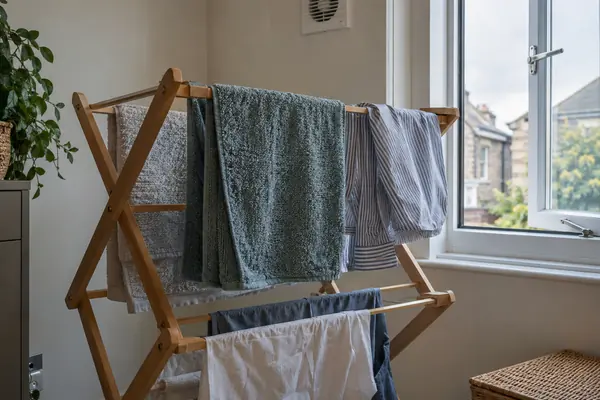
NICE advises avoiding air-drying clothes indoors where possible because it adds moisture to the air. If you need to, improve the ventilation in that room.
NICE lists older people, pregnant women, young children, people with existing medical conditions and people who spend a lot of time at home as being at higher risk.
08Sources
ABOUT THIS NAME
doodleair.com is part of the DoodleSale portfolio. It isn't in an auction right now, but you can ask about leasing it.